
Transparency Matters: I test tools and seeds to help you mend your lawn. If you buy something through my links, I may earn a commission which helps support this 1,000 sqm experiment at no extra cost to you. Thank you for the support!
Seeing a heavy excavator or drilling rig roll across your yard is enough to make any homeowner cringe. If you need to repair lawn heavy equipment damage, you are in the right place. Whether it is from geothermal drilling, a new pool installation, or major landscaping, heavy machinery is the ultimate enemy of a healthy lawn. Within minutes, years of careful maintenance can be replaced by deep tire ruts, mounds of excavated clay, and severe soil compaction.
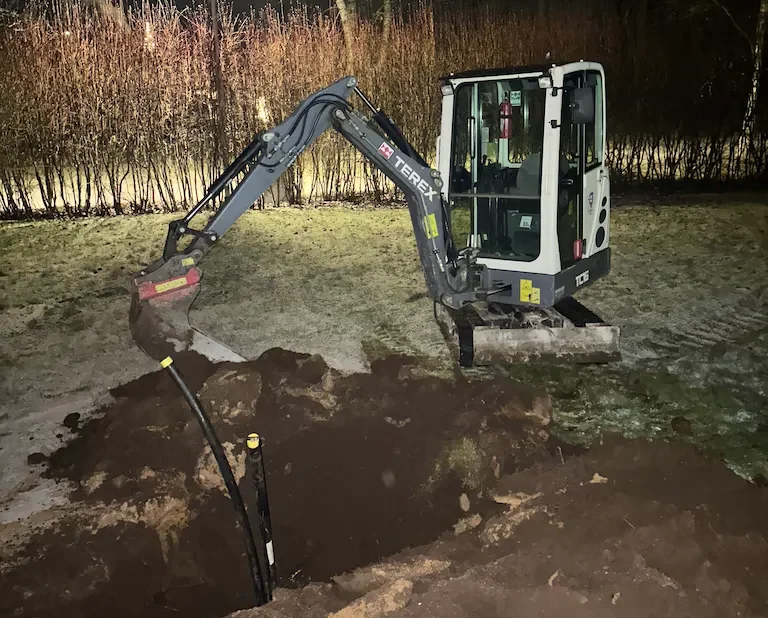
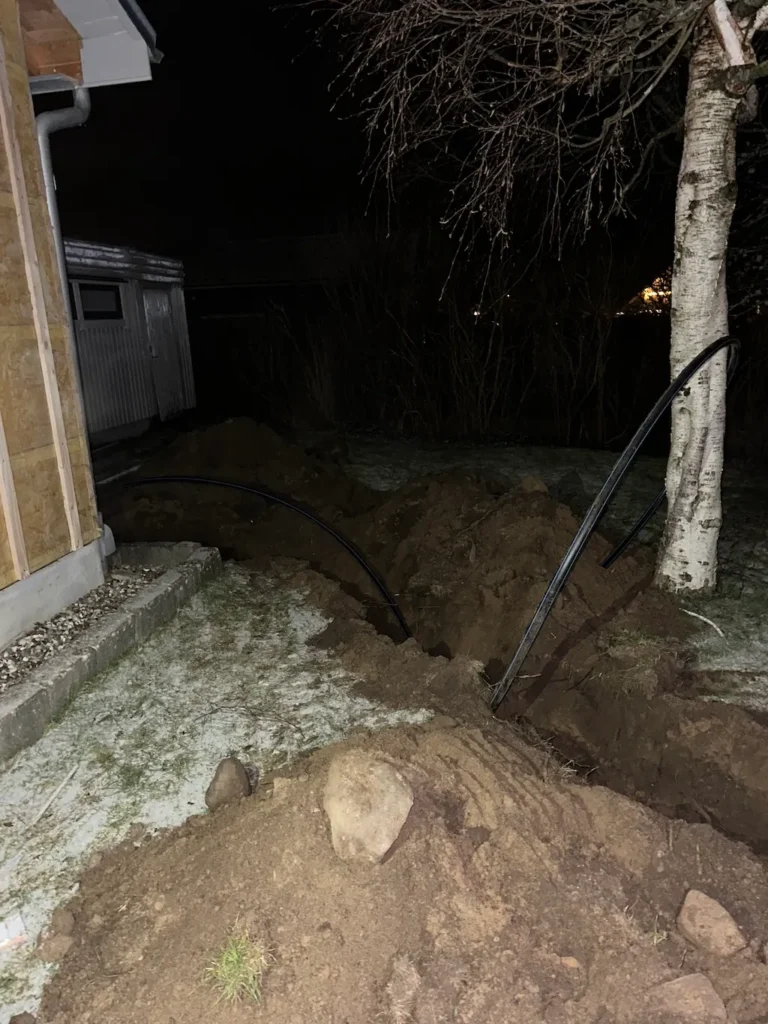
I know this pain firsthand. My 1,000-square-meter (approx. 10,700 sq. ft.) lawn was recently transformed into a literal mud pit after geothermal drilling rigs left my property. But here is the good news: your lawn isn’t dead – it’s just compressed. With a data-driven approach and some sweat equity, you can “mend” even the most catastrophic damage.
In this pillar guide, we will walk through the exact steps to restore a lawn destroyed by heavy equipment, from fixing soil structure to choosing the right seeds for recovery.
Phase 1: Assessing the Aftermath
Before you grab a shovel, you need to understand the three types of damage heavy machinery leaves behind. Addressing them in the wrong order is the most common mistake homeowners make.
- Surface Ruts: These are the physical “tracks” left by tires or treads. They destroy the level of the yard and create drainage issues.
- Deep Compaction: This is invisible damage. The weight of the machines crushes the pore spaces in the soil, preventing air, water, and nutrients from reaching the roots.
- Soil Contamination/Inversion: Often, drilling brings up subsoil (heavy clay or rocks) that shouldn’t be on the surface.
Understanding these factors is the first step to successfully repair lawn heavy equipment damage and getting your yard back to its former glory.
The “Screwdriver Test” for Compaction
Take a long screwdriver and try to push it into the ground in a damaged area. If you meet significant resistance within the first two inches, your soil is severely compacted. This must be fixed before you even think about sowing seed.
Phase 2: Fixing Deep Soil Compaction
Heavy equipment can exert thousands of pounds of pressure per square inch. This collapses the soil structure, especially in clay-heavy regions. You cannot “rake” your way out of compaction.
To relieve the extreme compaction caused by heavy equipment, you need to pull plugs of soil out of the ground. For spot treatments and tight areas, using a reliable manual lawn aerator is the easiest and most cost-effective way to get air back into the root zone.
Core Aeration vs. Spike Aeration
For machinery-related damage, core aeration is mandatory. Spike aerators (like the shoes with nails) actually increase compaction by pushing soil sideways. A core aerator pulls out small plugs of soil, creating “breathing room” for the earth to expand back into. I’ve written a deep-dive on Core Aeration vs. Spike Aeration to help you choose the right method for your lawn.
Phase 3: Leveling Ruts and Filling Holes
Do not simply fill deep ruts with pure topsoil. Over time, topsoil settles, and you will find yourself with a bumpy lawn again in six months. Instead, use a “Leveling Mix.”
| Material | Ratio | Benefit |
| Washed Sand | 70% | Provides drainage and prevents future settling/sinking. |
| Screened Topsoil/Compost | 30% | Adds essential nutrients and organic matter for seed growth. |
Pro Tip: If the ruts are deeper than 4 inches, fill the bottom half with subsoil/clay first, tamp it down lightly, and then use your 70/30 leveling mix for the top layers.
I’ve written a more in-depth guide on how to level a bumpy lawn that sits on clay soil to avoid turning it into concrete.
Phase 4: Soil Amendments for Clay Recovery
In my 1,000 sqm project, the drilling brought up massive amounts of heavy clay. Clay is notorious for holding too much water and zero air. To fix the chemistry of the soil after machinery damage, consider these amendments:
- Gypsum (Calcium Sulfate): If you have “sodic” clay, gypsum helps break the ionic bonds, allowing the clay particles to clump together (flocculate) and create air spaces.
- Humic Acid: This acts as a “biological booster,” helping the soil retain nutrients that would otherwise wash away on compacted surfaces.
Phase 5: Selecting the Right Grass Seed
A repaired lawn needs “tough” grass. You aren’t looking for a delicate ornamental lawn right now, you need a recovery lawn. For US and International climates, the choice usually comes down to these two:
- Tall Fescue (Turf Type): Deep roots, drought-tolerant, and handles heavy clay very well. Perfect for “mending” projects.
- Perennial Ryegrass: Germinates extremely fast (5-7 days). Great for preventing erosion on bare slopes left by machinery.
After leveling the ruts and relieving compaction, it’s time to bring the green back. Standard lawn seed will suffocate in this environment. To ensure survival, you need to pick a blend specifically engineered to punch through tough earth. I’ve broken down the top grass seeds for clay and high-traffic recovery based on my own 1,000 sqm project.
Conclusion: The Road to Recovery
Fixing a lawn destroyed by heavy equipment is a marathon, not a sprint. My 1,000 sqm disaster didn’t look green overnight, but by following this step-by-step process – Assessment, Aeration, Leveling, and Amendment – the results are inevitable.
Don’t let the sight of an excavator ruin your mood. Use it as an excuse to build a better, stronger foundation for your lawn than you ever had before. Let’s get to work.
Frequently Asked Questions
These are some frequently asked questions about damaged lawns.
Can I just throw grass seed over bare patches to fix a damaged lawn?
Unfortunately, simply tossing grass seed onto hard, dead patches rarely works. Grass seed requires direct seed-to-soil contact and consistent moisture to germinate. To repair patches successfully, you must first rake away dead debris, loosen the top inch of hard soil, press the new seed into the ground, and cover it with a thin protective layer of compost or peat moss to lock in moisture.
When is the best time of year to repair and overseed a lawn?
Early fall is the absolute best time for lawn repair and overseeding. During autumn, the soil is still warm from the summer, the air is cooler, and natural rainfall is more frequent, creating the perfect environment for root development. Spring is the second-best option, but you will need to water much more frequently to protect the tender young grass from the upcoming summer heat.
Why do bare patches keep reappearing in the same areas of my yard?
If your grass keeps dying in the exact same spots every year, you are likely dealing with an underlying soil issue rather than a seed problem. In heavy clay yards, severe soil compaction suffocates grass roots and stops water from draining. To permanently fix these recurring dead zones, you must relieve the compaction underneath through core aeration before trying to reseed.
How long does it take for a repaired lawn to become thick and usable again?
You will usually see new green sprouts within 7 to 21 days depending on the grass type, but the repaired areas will remain fragile for several weeks. It takes about 4 to 6 weeks of careful watering before the new grass is established enough for light foot traffic, and a full growing season of deep root development before it completely blends in and becomes heavy-duty.