
Growing a lawn on compacted clay soil requires selecting grass varieties with deep root genetics, such as Tall Fescue or specialized Kentucky Bluegrass. These varieties penetrate dense soil and resist drought more effectively than standard seeds. Proper selection ensures roots access oxygen and moisture despite heavy soil compaction.
Successful establishment on clay involves core aeration to relieve compaction and light topdressing with organic matter to prevent surface crusting. Seeding in early fall provides optimal temperatures for germination. Maintaining consistent moisture during initial weeks allows new roots to penetrate the subsoil and create a resilient lawn.
Disclaimer: When you buy through links on our site, we may earn an affiliate commission at no extra cost to you.
If you’ve ever tried to grow a lush lawn on heavy clay, you know it feels like trying to garden on a brick.
When the geothermal drilling crew left my 1,000 sqm property, I wasn’t just dealing with mud – I was dealing with “concrete clay.” Most standard grass seeds simply sit on the surface and suffocate because they can’t punch their roots through the compaction.
But here is the good news: you don’t need to replace your soil. You just need the right genetics.
Why Most Grass Seeds Fail in Clay
Clay soil has tiny particles that pack together tightly. This creates two problems:
- No Oxygen: Roots need to breathe.
- Physical Barrier: Weak root systems can’t penetrate the “wall” of clay.
To survive here, you need Tall Fescue or specialized Kentucky Bluegrass varieties that are bred for deep-rooting and drought resistance.
Pro-Tip: Before you spend a dime on seed, make sure your soil is ready. If it’s rock hard, read my guide on Core Aeration vs. Spike Aeration. Putting premium seed on top of compacted clay is like throwing money on a parking lot.
Top 3 Grass Seeds for Clay Soil on Amazon
| Product | Best For | Key Feature |
|---|---|---|
| Jonathan Green Black Beauty Ultra | Heavy Clay & Sun/Shade | Roots up to 4 feet deep |
| Scotts Turf Builder Sun & Shade | Quick Results & Reliability | 4-in-1 WaterSmart Coating |
| Pennington Smart Seed Tall Fescue | Drought & Heat Resistance | Uses 30% less water |
1. The Clay Specialist: Jonathan Green Black Beauty Ultra
This is my top recommendation for anyone dealing with heavy compaction. The reason it works where others fail is the root depth.
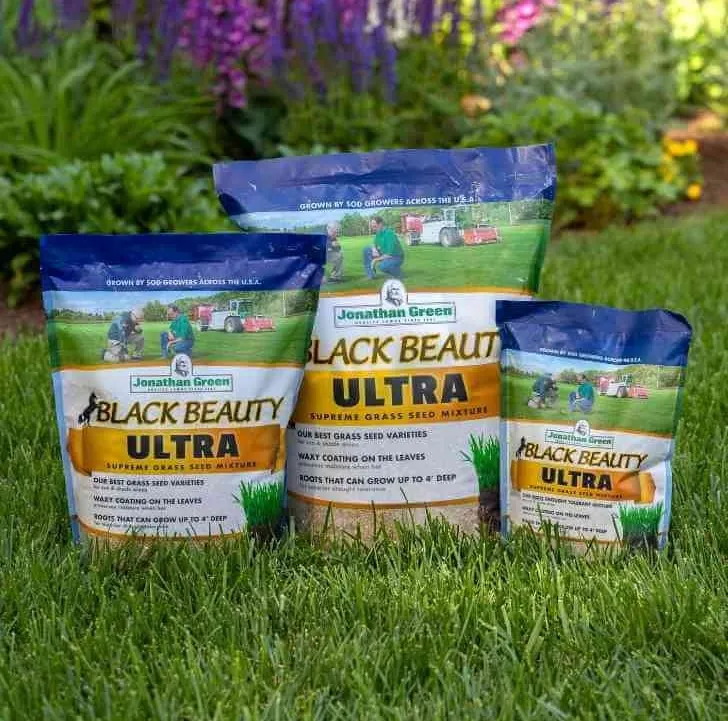
- Why it’s great for clay: It’s bred to produce a waxy leaf coating that preserves moisture, but more importantly, it sends roots deep into the subsoil.
- The Result: A dark green, uniform lawn that looks like sod but has the “muscle” to survive in tough dirt.
2. The Reliable All-Rounder: Scotts Turf Builder Sun & Shade
If you want a brand you can trust and a lawn that fills in fast, Scotts is the go-to. Their Sun & Shade mix is surprisingly resilient in clay-heavy suburbs.
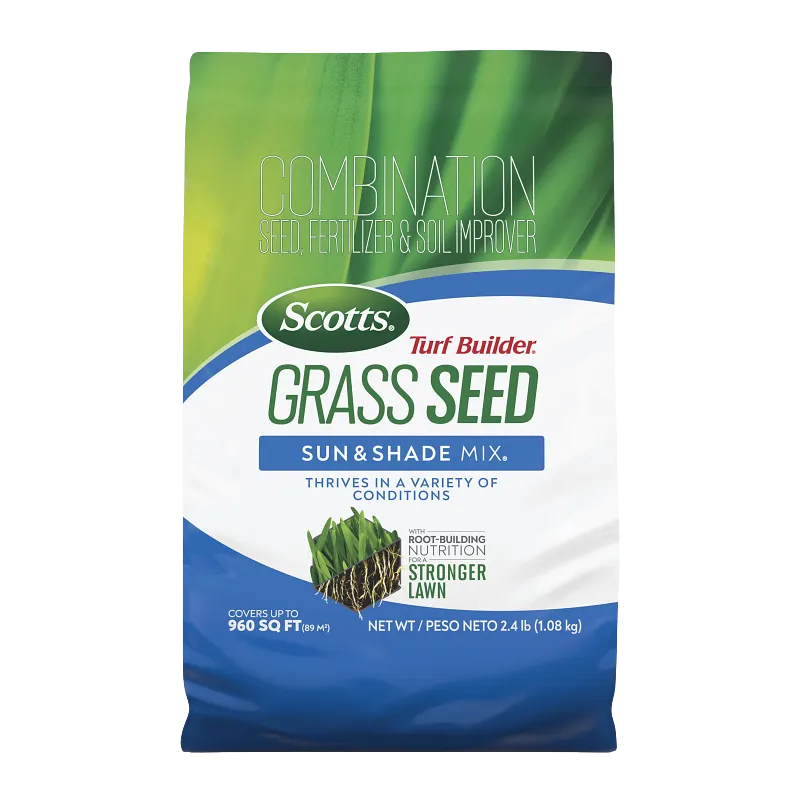
- The “Secret Sauce”: Each seed is wrapped in a 4-in-1 coating that absorbs 2x more water than uncoated seed and protects against disease.
- Why it works: It jumpstarts the germination process even if your clay soil isn’t perfect yet.
3. The Drought Warrior: Pennington The Rebels Tall Fescue
Clay has a nasty habit of turning into a cracked desert in the summer. Pennington’s The Rebels is designed specifically for these conditions.
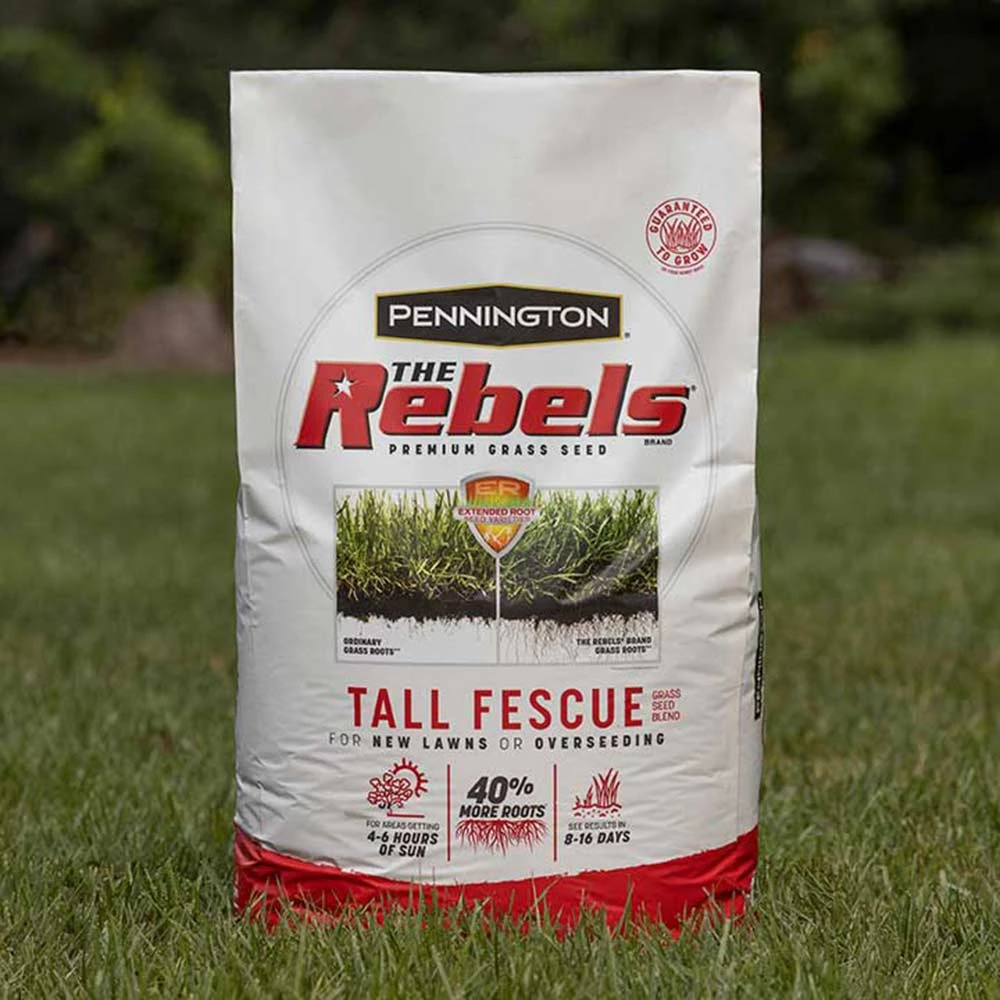
- Why it’s great for clay: It’s bred to produce a waxy leaf coating that preserves moisture, but more importantly, it sends roots deep into the subsoil.
- The Result: A dark green, uniform lawn that looks like sod but has the “muscle” to survive in tough dirt.
The Mender’s Method: How to Seed Clay Soil
Buying the seed is only half the battle. To get it to grow on my 1,000 sqm “disaster zone,” I followed these steps:
- Break the Surface: Use a rake or a heavy-duty manual core aerator to create holes and loose dirt so the seeds can get down into the soil.
- The “Seed-to-Soil” Contact: Don’t just throw the seed. Rake it in lightly so it’s about 1/8 inch deep.
- The Power of Peat: On clay, I highly recommend a very thin layer of peat moss or fine compost over the seeds. It prevents the clay from “crusting” over and trapping the sprouts.
- Watering: Keep the top inch of soil moist (not soaking) for the first 14-21 days.
Final Thoughts
Don’t let clay soil discourage you. With the right Tall Fescue blend and a bit of patience, you can turn a construction site into a green oasis.
My Pick: If you have the budget, go with Jonathan Green. It’s the closest thing to a “cheat code” for clay soil.
If your clay soil is already summer baked and splitting open, read our emergency guide on how to fix clay soil cracking in summer.
Frequently Asked Questions
Will grass seed grow on hard clay soil?
Grass seed struggles to germinate on bare, compacted clay because the roots cannot easily penetrate the hard surface, and water tends to pool or run off. For successful germination, you must break up the surface tension by core aerating and topdressing with a thin layer of organic matter like compost before applying the seed.
Should I cover grass seed after planting?
Yes, covering grass seed is crucial, especially on clay soil which dries out quickly and cracks. A light 1/4-inch layer of peat moss or fine compost helps retain moisture and protects the seeds from birds and washing away. Using a dedicated compost spreader is the most efficient way to get a perfectly even cover without burying the seeds too deep.
Do I need to aerate before overseeding a clay lawn?
Absolutely. Core aeration is the most important prep step before overseeding heavy clay. Pulling soil plugs relieves compaction and creates perfect little pockets for the seeds to fall into. When these holes are filled with topdressing and seed, it gives the new roots a chance to establish deeply instead of remaining shallow.
When is the best time to plant grass seed?
The best time to seed or overseed a lawn is early fall. The soil is still warm from the summer, which speeds up germination, but the cooler air temperatures and increased rainfall reduce the stress on new seedlings. Spring is the second-best option, though you will have to battle more weeds and summer heat shortly after.