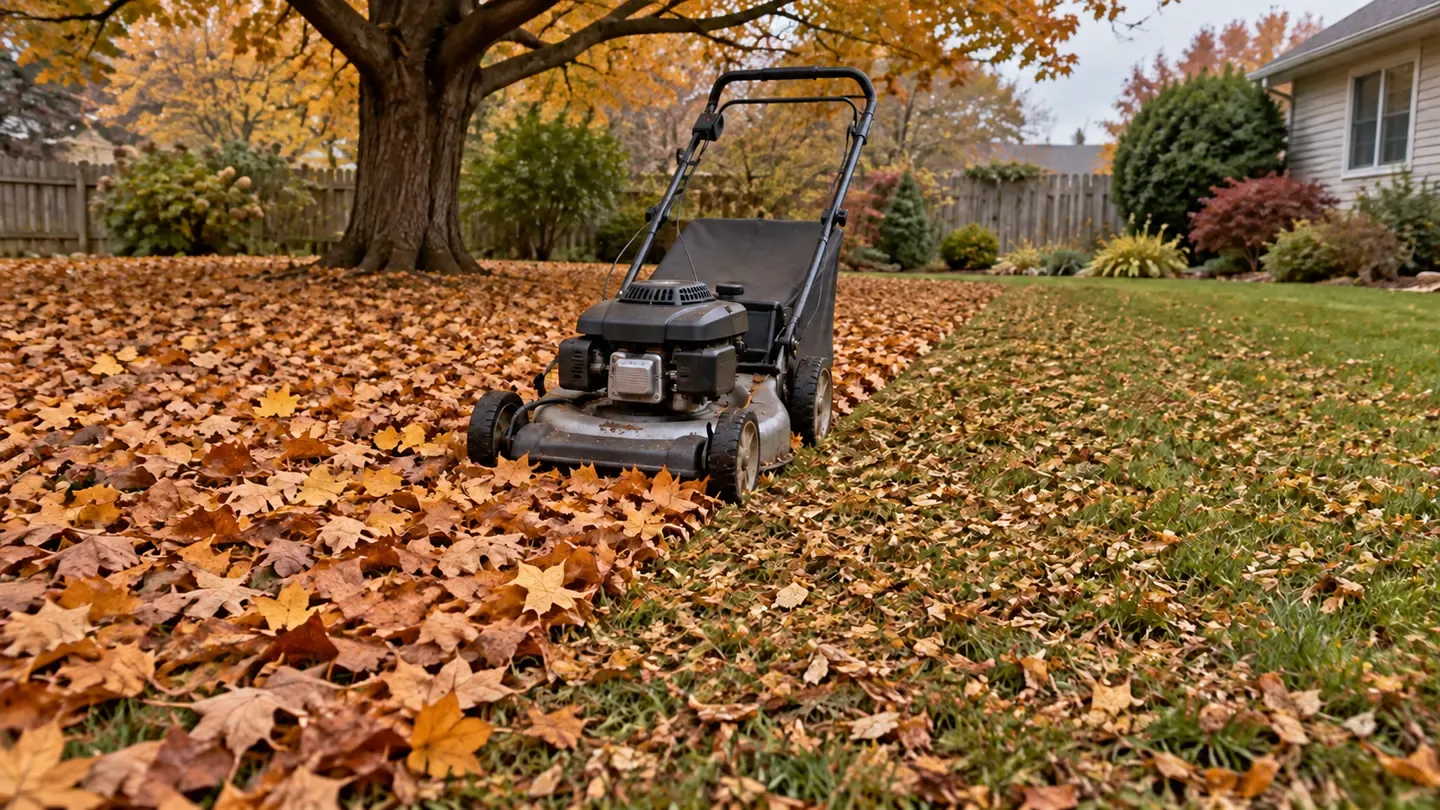
Fall Leaves on a Clay Lawn: Mulch, Rake, or Sweep?
Most fall leaves can be mowed straight back into a clay lawn. How to tell when there are too many, why wet clay changes the timing, and when a rake or sweeper is worth it.
Guides to growing healthier grass through seeding, watering, mowing, and fertilization.
Most fall leaves can be mowed straight back into a clay lawn. How to tell when there are too many, why wet clay changes the timing, and when a rake or sweeper is worth it.
Choose grass seed for clay soil by climate, sun, drainage, traffic, and maintenance. Compare cool- and warm-season options and prepare the seedbed.
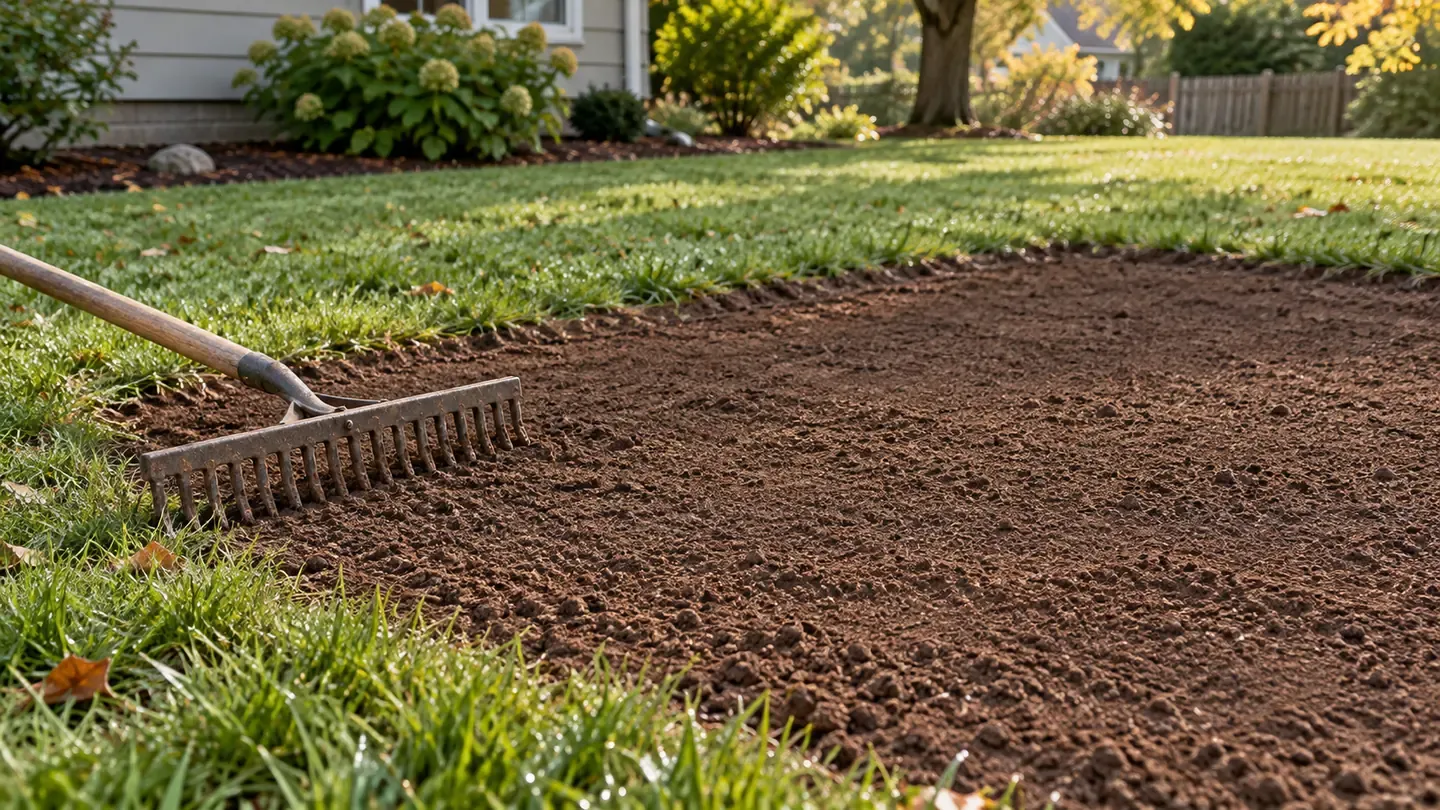
Prepare bare clay soil for grass seed with drainage checks, workable moisture, suitable amendments, and a firm seedbed. See what changes when keeping existing turf.
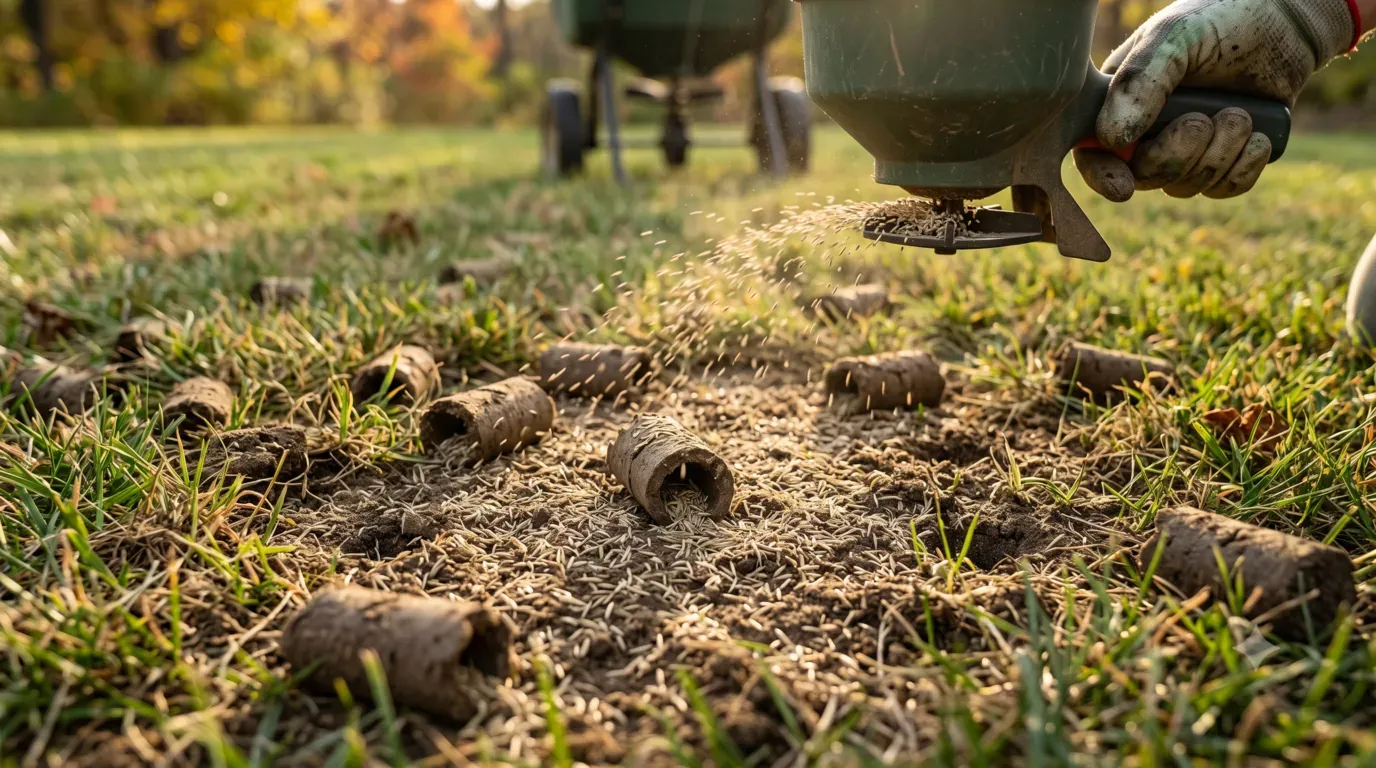
Repair summer heat damage on hard clay soil. Learn how to overseed a clay soil lawn in fall with core aeration, proper seed choice, and watering.

Skip the sand. Rewet cracked clay slowly, fill the gaps that stay open with topsoil and compost, reseed bare edges, and make next summer’s cracks less severe.

Watering heavy clay soil in the heat can be tricky. Learn a cycle-and-soak approach that can reduce runoff and help water reach the root zone.

Learn how mowing height, timing, sharp blades, and grass clippings can help a clay-soil lawn cope with summer heat.
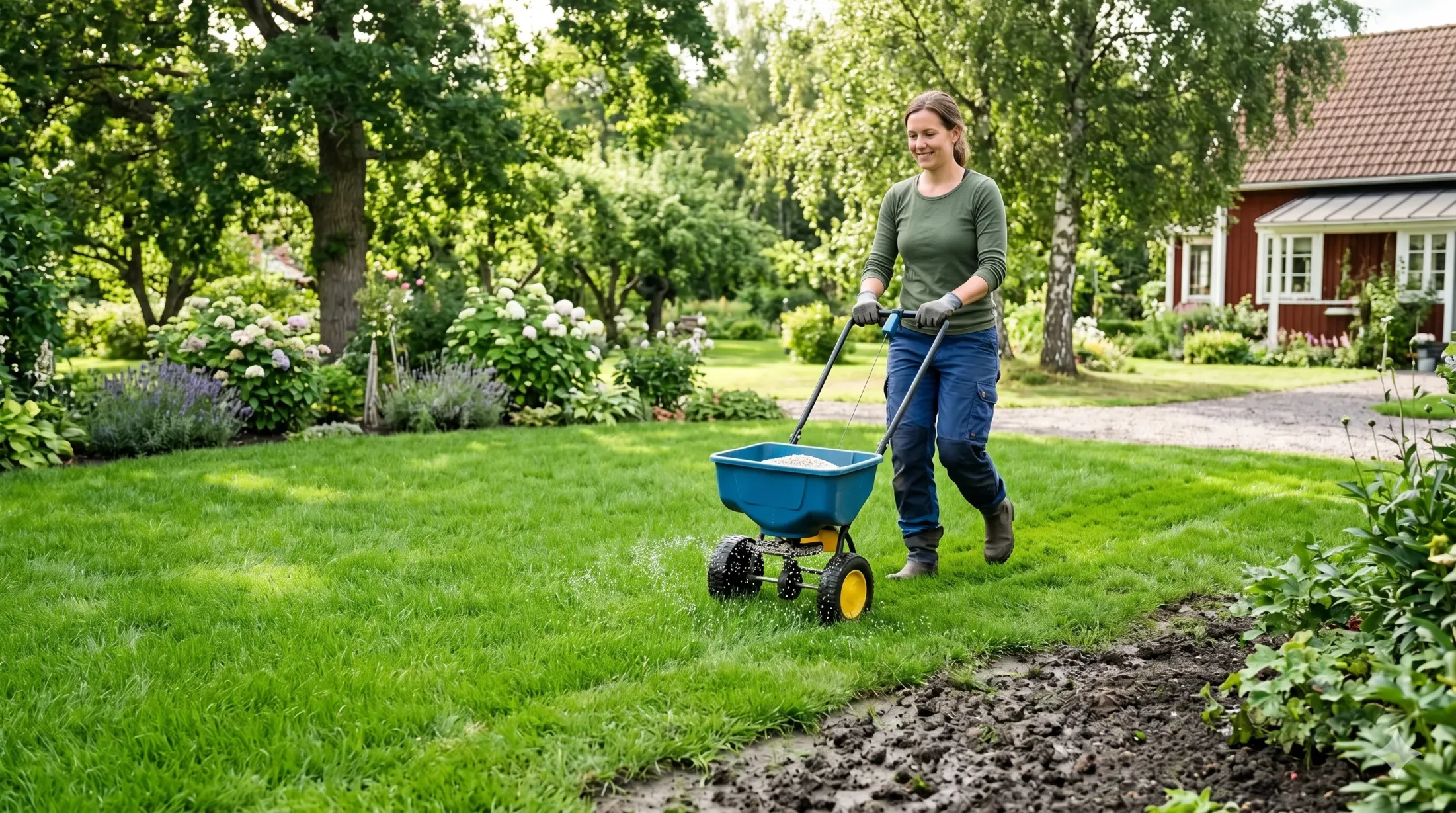
Clay soil doesn’t need a special fertilizer. Start with a soil test, then compare slow-release Milorganite, Scotts Triple Action, and a humic add-on.