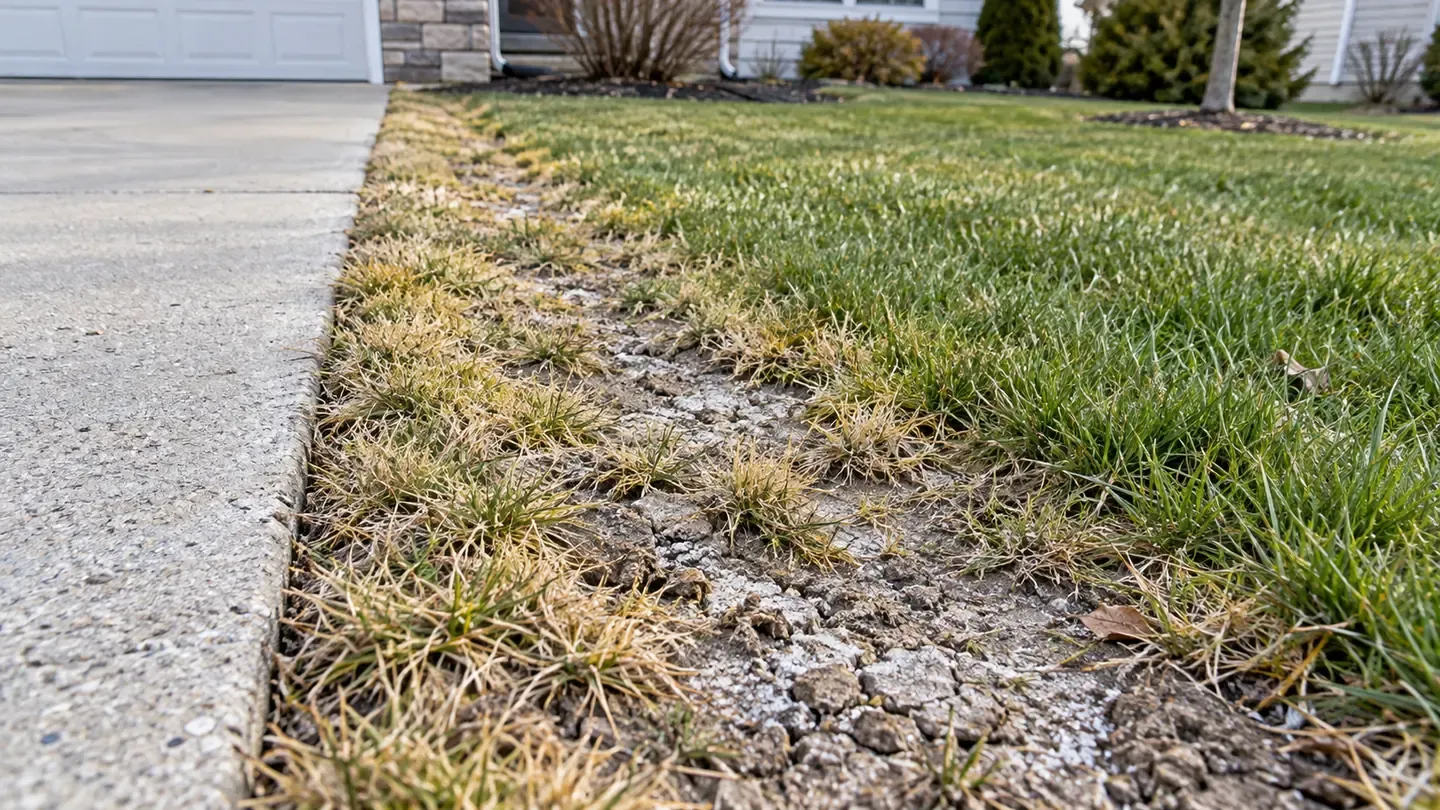
Does Gypsum Help Clay Soil? When It Works and When It Won’t
Gypsum fixes clay that has a sodium problem, such as salt-damaged strips along a driveway. For most clay lawns it does little. How to tell which you have, and what helps instead.
Practical guides to improving clay soil, compaction, drainage, and lawn soil structure.
Gypsum fixes clay that has a sodium problem, such as salt-damaged strips along a driveway. For most clay lawns it does little. How to tell which you have, and what helps instead.
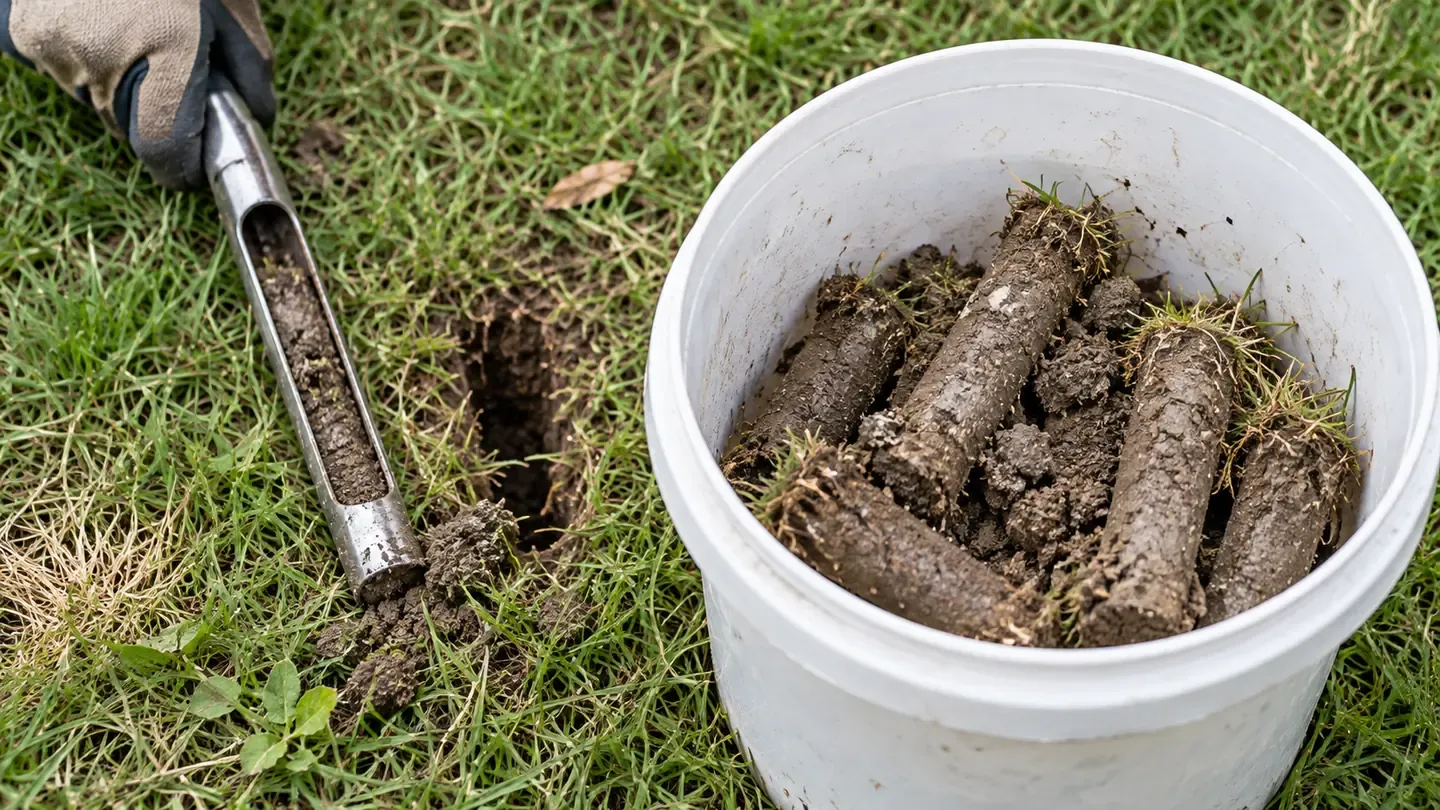
Why a lab soil test is worth it on a clay lawn, how to take a good sample, and when a home kit like the Rapitest 1601 is enough for a quick check.

Typical germination times for cool- and warm-season grass seed, why clay can slow them down, and how to water and mow until the new lawn fills in.
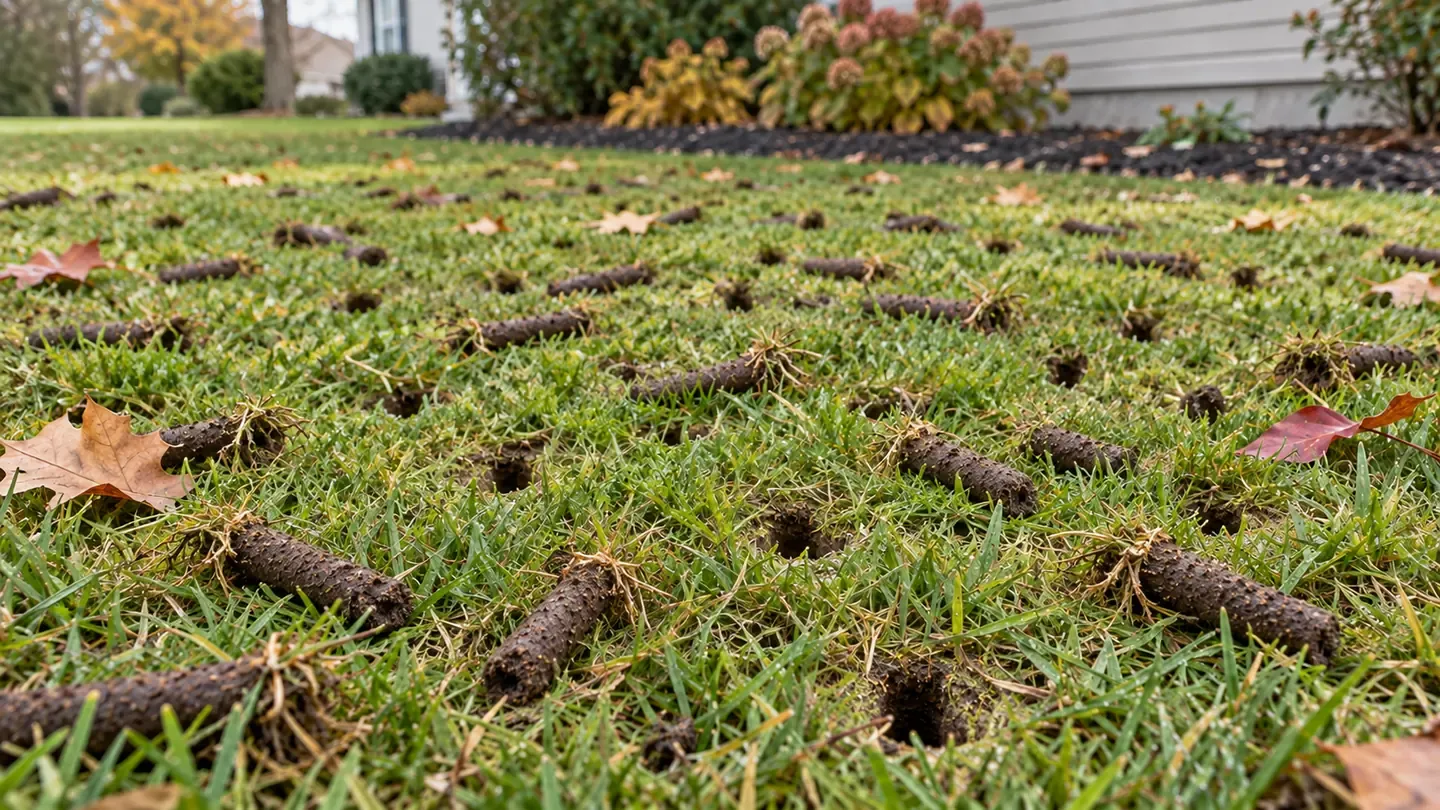
Check for compaction, choose the right season, and core aerate your clay lawn with workable soil moisture. Learn how to check the plugs and care for the grass afterward.
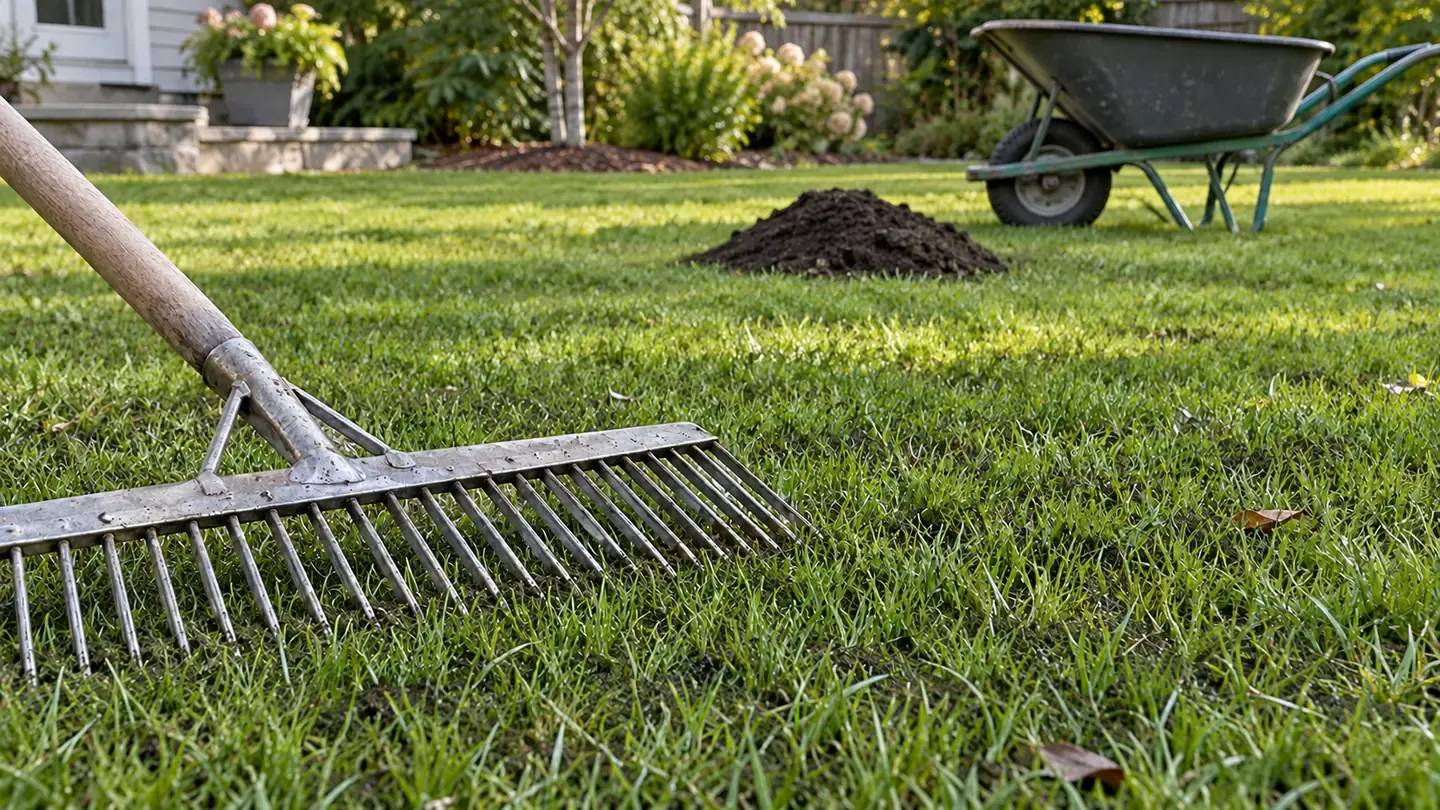
Choose suitable topdressing, estimate how much you need, and spread a thin, even layer over established grass. Learn when to wait or tackle a different repair.
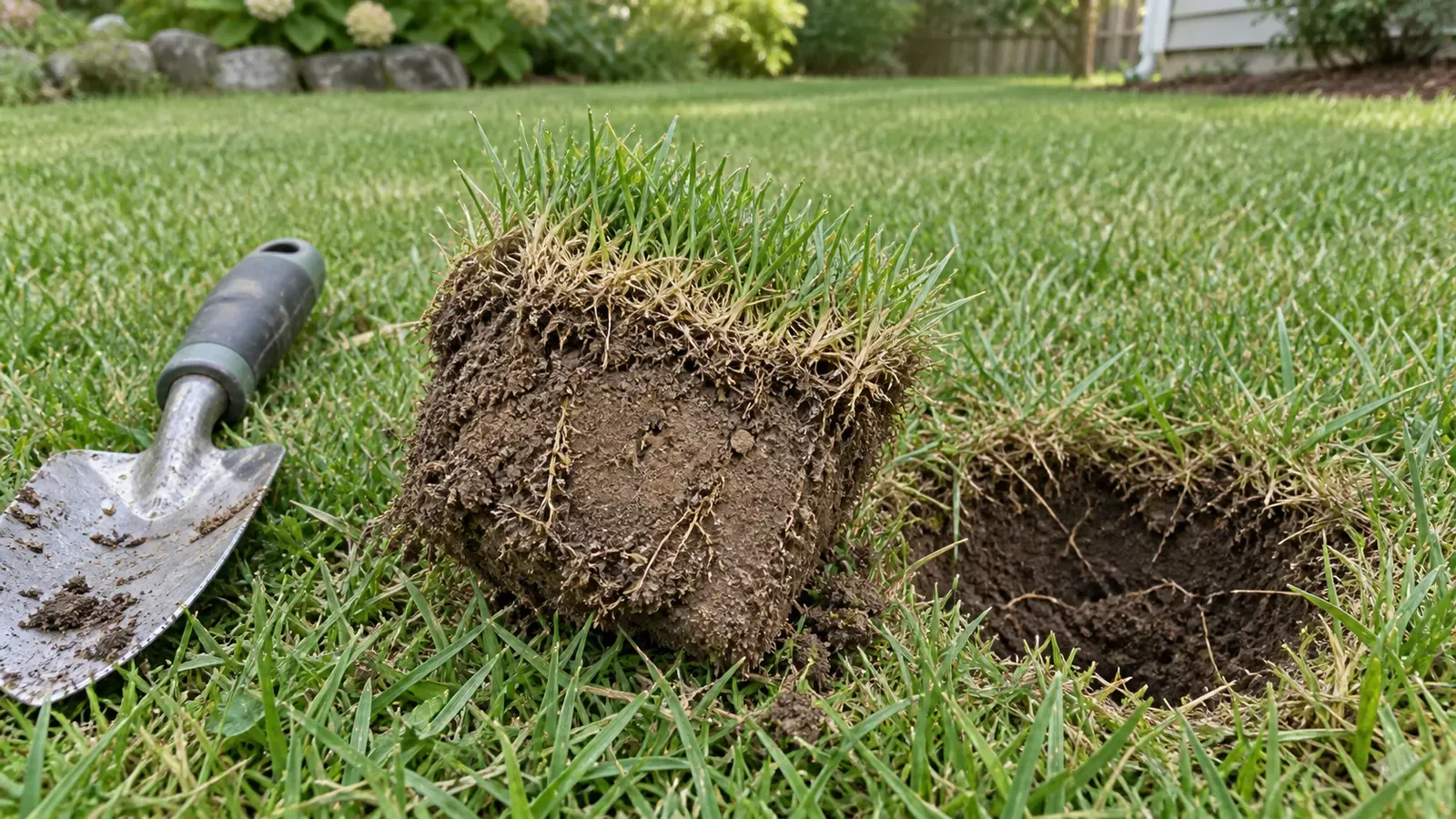
Check thatch and soil compaction before treating your clay lawn. Choose dethatching, core aeration, both, or neither, with timing that fits your grass.

Do spike aerators work on clay? They make holes but push soil aside, so they do little for compaction. Core aeration removes plugs. Here is when each makes sense.
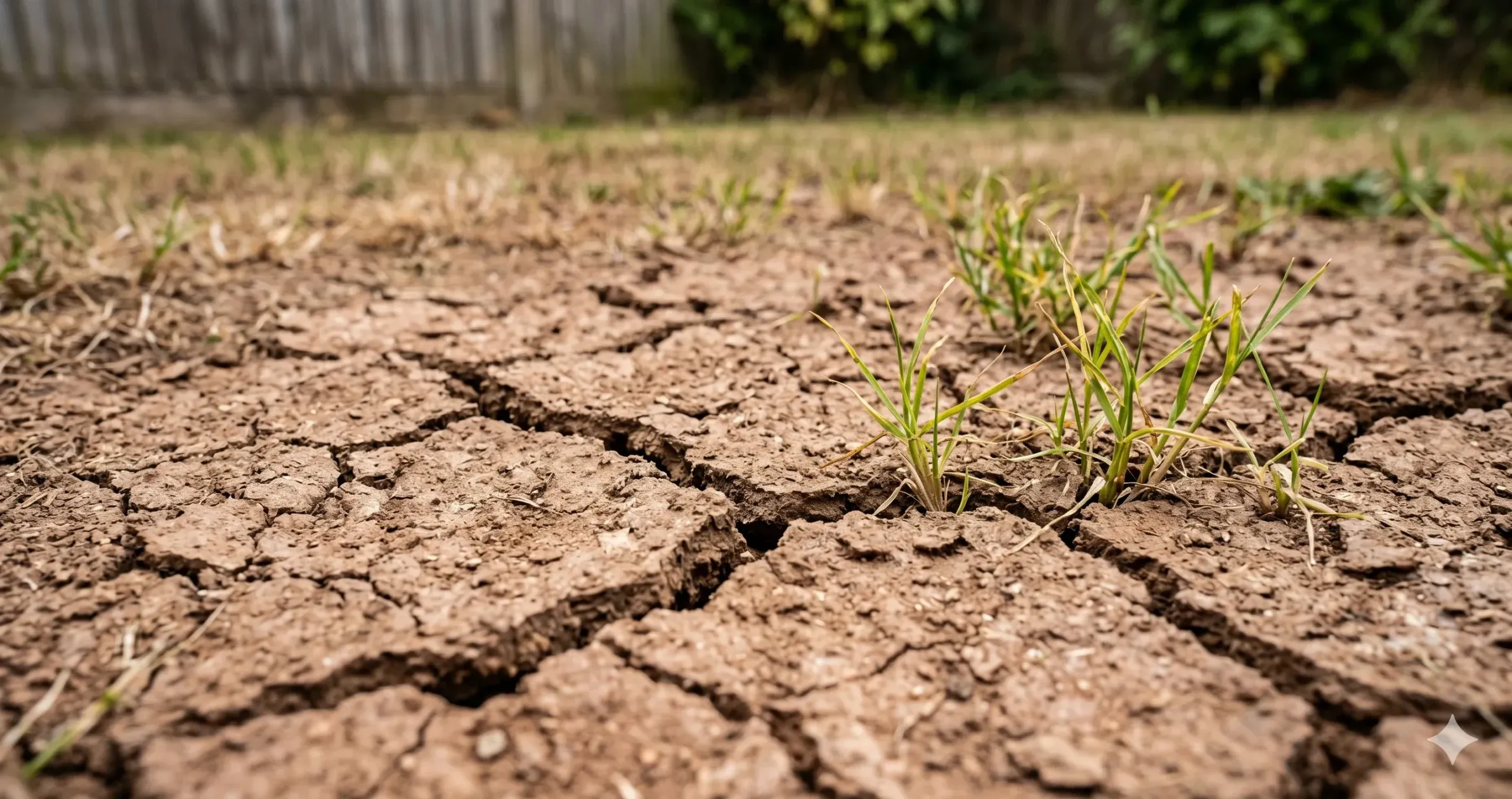
Learn how to diagnose and improve a compacted clay-soil lawn with core aeration, suitable topdressing, leveling, and overseeding.

Learn how to loosen compacted clay along walkways, rebuild the edge, and re-establish grass without damaging the adjacent pavement.

Considering sand for a clay lawn? Learn why adding sand without a broader soil plan can create denser conditions and what to consider instead.
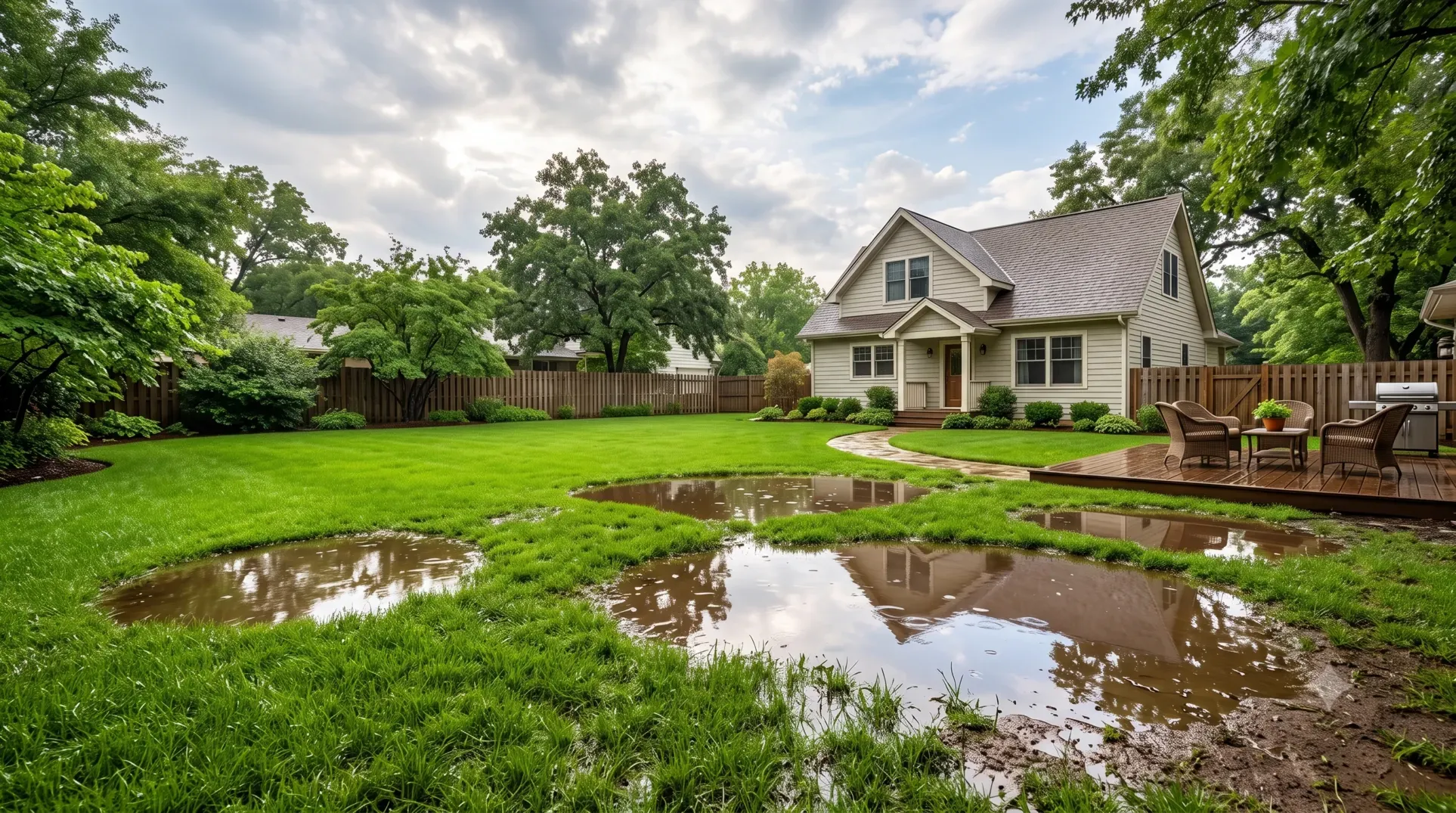
Learn how to diagnose standing water on a clay lawn and compare soil, grading, runoff, rain-garden, and drainage options.