How to Reduce Moss in Clay Soil Lawns
Published
Updated
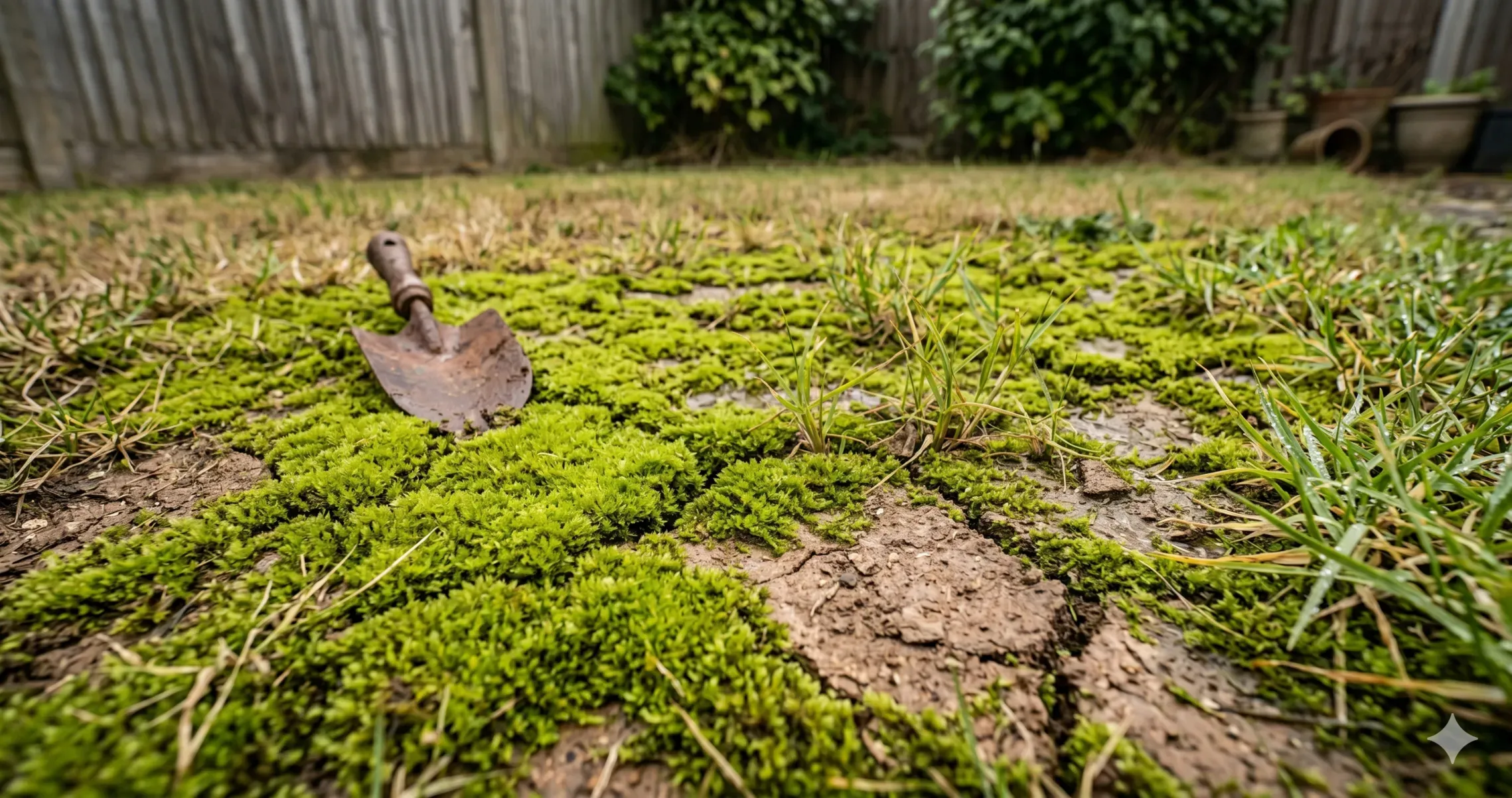
Moss often appears where grass is thin and the surface stays damp, shaded, compacted, or poorly drained. Heavy clay can contribute to several of those conditions, which is why treating the visible moss alone often brings only temporary improvement.
Reducing moss usually involves removing the existing growth and addressing the soil, drainage, shade, and turf conditions that favor it.
Why Moss Can Thrive in Clay Soil
Moss doesn’t have traditional roots like grass. Instead, it anchors itself to the surface using tiny hair-like structures. It thrives in conditions where grass struggles to survive. Heavy clay soil can create conditions that favor moss for three main reasons:
- Compaction: Reduced pore space can limit root growth and leave the turf thin.
- Slow drainage: A persistently damp surface favors moss and can stress grass roots.
- Shade or unsuitable soil chemistry: Low light can weaken turf, while pH should be measured rather than inferred from clay texture.
To address these conditions, focus on the soil structure. If the ground feels very hard underfoot, see how to address compacted clay soil.
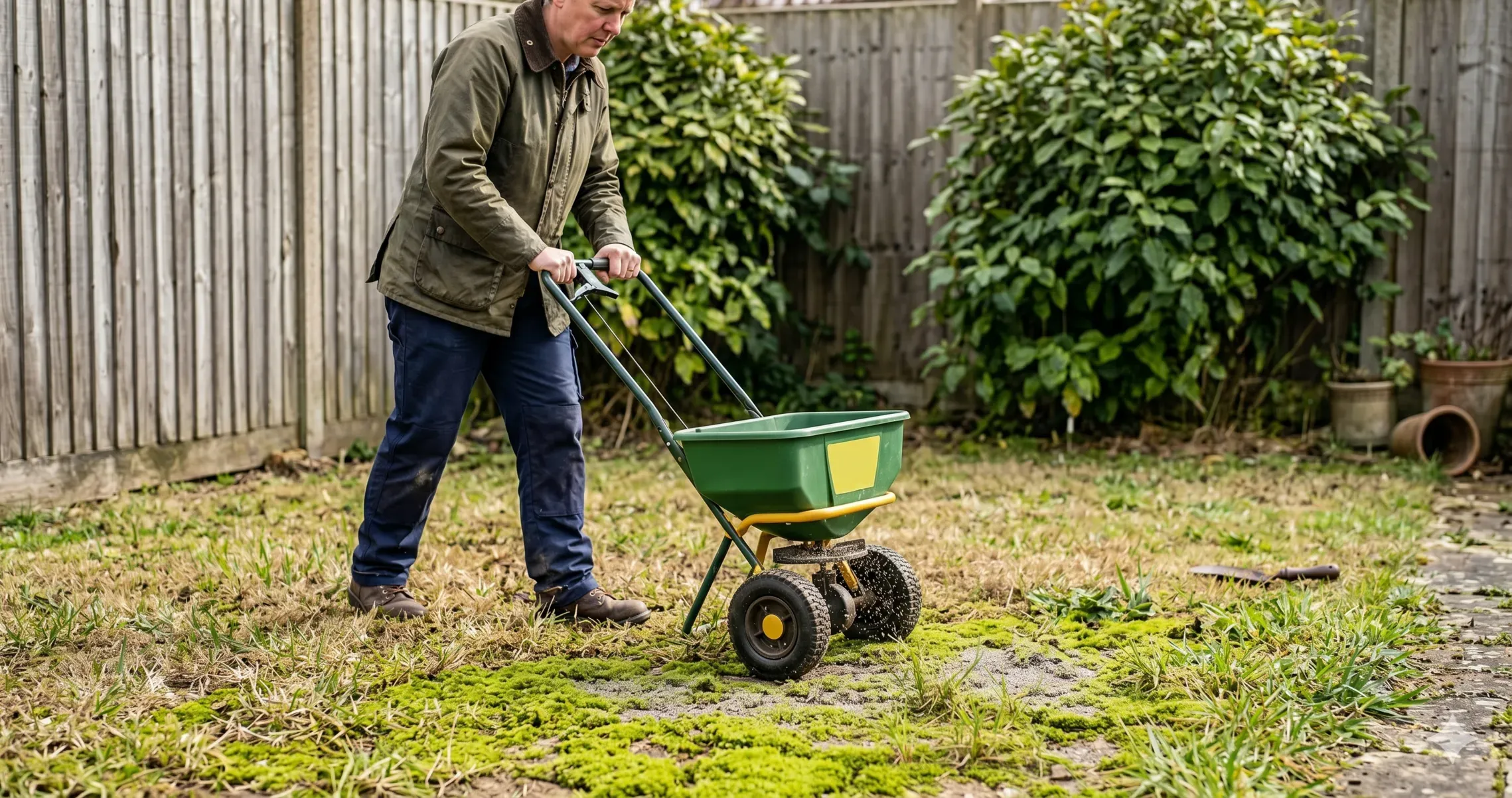
How to Get Rid of Moss in Clay Soil (Step-by-Step)
To reduce moss and support grass recovery, work through these four steps.
Step 1: Kill the Existing Moss
Before raking or aerating, some homeowners use an iron-based moss treatment. Follow the product label for timing, application, and safety information. Allow the treatment the labeled time to work before removing the moss.
Step 2: Dethatch or Scarify
Once the moss has been treated, remove the loosened material with a spring-tine rake or scarifier. This can leave bare patches, which may need follow-up seeding or other turf repair.
If you need a scarifier, our dethatcher and scarifier guide explains the tool options and how to avoid damaging healthy turf.
Step 3: Aerate Where Compaction Is Present
Because clay can remain wet and compacted, consider addressing the soil structure as part of the follow-up work.
Removing soil plugs creates temporary pore space in a compacted upper root zone and can improve infiltration. It will not correct shade, a low spot, or a larger drainage failure, so match the treatment to the site.
For compacted clay, a core aerator may be more appropriate than a solid spike tool. See core aeration vs. spike aeration for the differences, or review manual core aerator options for small areas.
Step 4: Topdress and Overseed the Bare Patches
Moss can return where bare soil remains exposed. A thin compost topdressing can help fill aeration holes and add organic matter.
Then overseed with a grass variety suited to the lawn’s conditions. Our guide to grass seed for clay soil explains factors to consider.
Summary
Moss can signal a broader soil, drainage, shade, or turf-density issue. Reducing compaction, improving drainage where appropriate, and encouraging denser grass can make the lawn less favorable for moss over time.