3 Weed Pullers for Hard Clay Soil Compared
Published
Updated
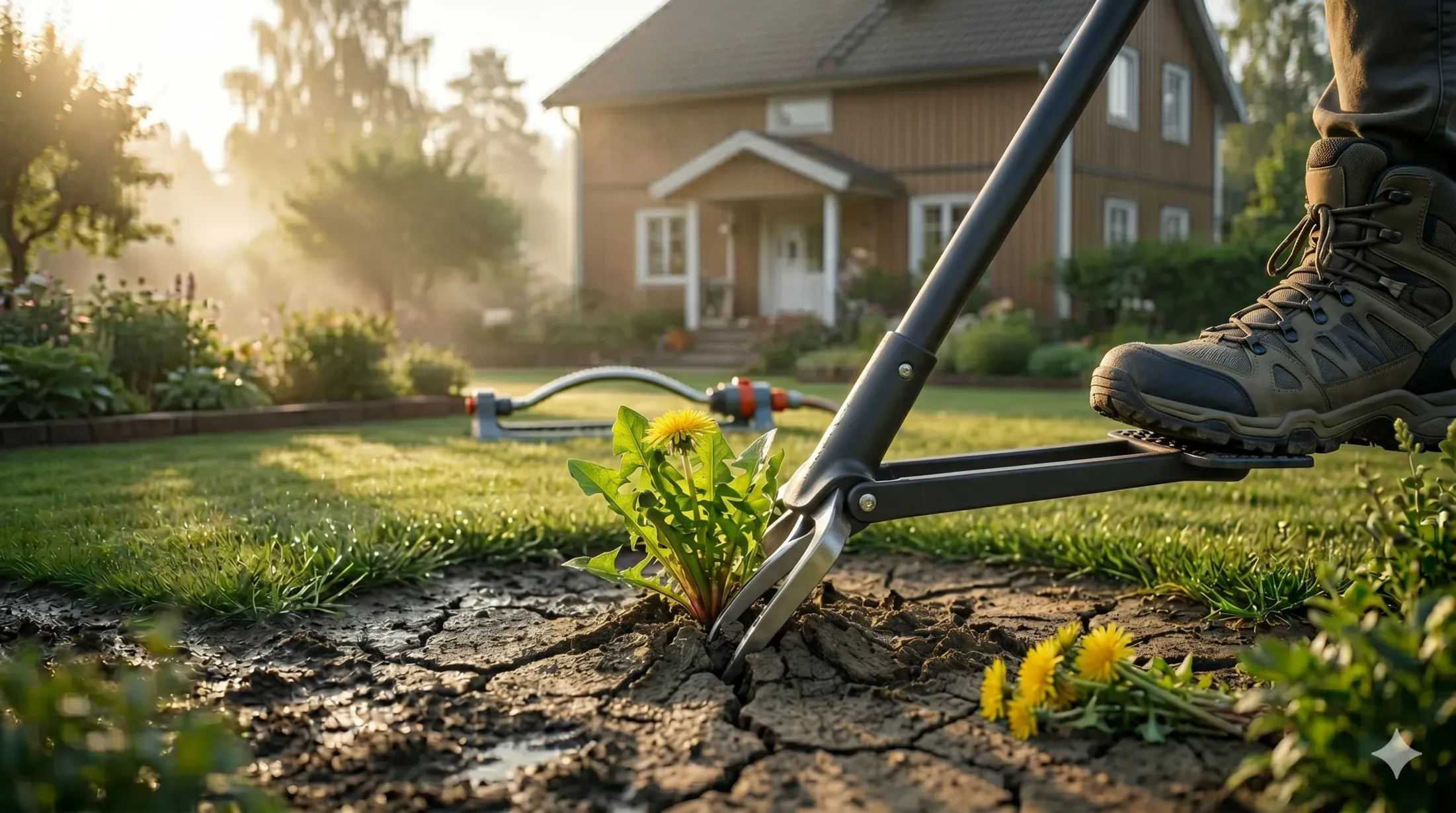
Deep-rooted weeds can be difficult to remove from dry, compacted clay. A stand-up puller uses a foot platform or leverage mechanism to grip the plant below the crown while reducing the need to kneel or dig with a hand trowel.
The Fiskars is the easiest choice for quick ejection, Grampa’s Weeder keeps the mechanism simple, and the Yard Butler uses an all-steel twist action. Soil moisture, root shape, and correct tool placement still affect whether the full root comes out.
For crabgrass, start with our crabgrass control guide to decide whether hand removal fits the outbreak before choosing a puller.
What to Look for in a Clay-Ready Weed Puller
Firm clay calls for a head that can enter moist soil, surround the weed crown, and transfer enough leverage to lift the root. If thin turf, poor infiltration, or widespread hardness suggests a larger soil problem, diagnose it separately with our guide to compacted clay-soil lawns.
When comparing a weed extractor for firm soil, consider:
- Head design: Claws or jaws need to surround the crown and reach enough of the root to lift it.
- Foot platform: A stable step helps drive the head into moist, firm soil.
- Release mechanism: Some designs eject the weed from the head. Others use a simple lever action.
- Handle and storage: Overall length, weight, and construction affect handling and where the tool can be stored.
Three Weed Pullers for Different Jobs
Fiskars Xact Weed Puller
Choose the Fiskars if you expect to pull several weeds and want to eject each one without touching it. Four claws grip around the crown, while the foot platform and handle release support a quick stand-up rhythm.
See the companion guide on removing dandelions from clay soil for the wider lawn-care context.
Grampa’s Weeder
Grampa’s Weeder is the uncomplicated alternative. Its bamboo handle and one-piece steel four-claw head use a simple lever action with no sliding ejector mechanism to manage.
Yard Butler Rocket Weeder
Choose the Yard Butler if you prefer an all-steel tool and a twist-and-pull motion. The foot bar drives its toothed jaws around a taproot before you rotate and lift.
Tips for Pulling Weeds in Tough Clay
Tool technique matters as much as the design:
- Work in moist, not saturated, soil: If clay is hard and dry, water it in advance or work after suitable rainfall. The summer watering guide for clay soil explains how to avoid frequent shallow watering.
- Center the tool over the crown: Position the claws around the plant before applying foot pressure so the head follows the main root rather than cutting across it.
- Lift steadily: Use the motion specified for the tool and inspect the removed root. Some perennial weeds can regrow from root material left in the soil.
- Repair larger holes if needed: Gently press displaced turf back into place. For broader surface repairs, see the guide to using a lawn leveling rake.
How to Maintain Your Weeding Tools in Heavy Clay
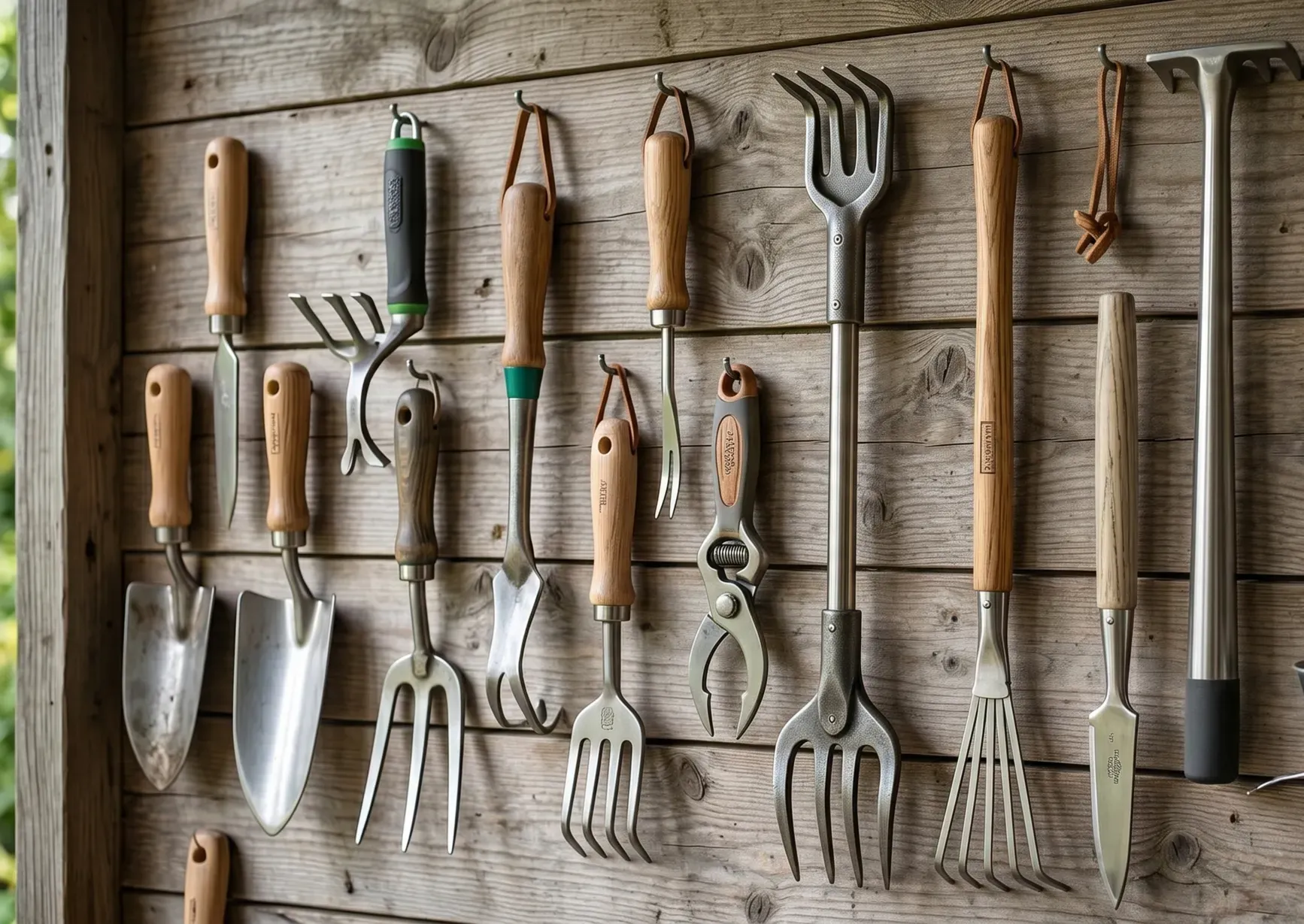
Soil and moisture left on metal parts can interfere with moving mechanisms and encourage corrosion. Check the manufacturer’s care instructions first, especially for tools with springs or sliding parts.
Clean Off the Mud Immediately
Brush soil from the claws, foot platform, and joints after use. If water is needed, dry the tool before storage rather than leaving wet soil in the mechanism.
Lubricate Moving Pivot Points
Inspect moving parts for trapped soil and apply only a lubricant that the manufacturer permits. Store the clean, dry tool under cover.
Summary
The three tools use distinct removal mechanisms: a four-claw ejector, a simple lever head, and an all-steel twist-and-pull design. Whichever you choose, work when the clay is moist enough for penetration, place the head carefully, and clean the tool before storage.